ACAT calls for a stronger recreation voice in conservation planning
Following our joint recreation sector submission on the Conservation Amendment Bill, ACAT has made two further submissions focused on ensuring recreation and climbing are properly represented in New Zealand's conservation planning system.
Following our joint recreation sector submission on the Conservation Amendment Bill, ACAT has made two further submissions focused on ensuring recreation and climbing are properly represented in New Zealand's conservation planning system.
Earlier this month, ACAT joined nine other leading outdoor recreation organisations in a joint submission on the Conservation Amendment Bill, which strongly opposed the Bill's land disposal and unfettered economic development provisions. Following a public outcry, the Government has announced that the disposal provisions will be removed from the Bill. The future of the economic provisions remains uncertain.
ACAT has also lodged two additional submissions addressing a separate issue: ensuring outdoor recreation has a stronger voice in New Zealand's conservation planning system.
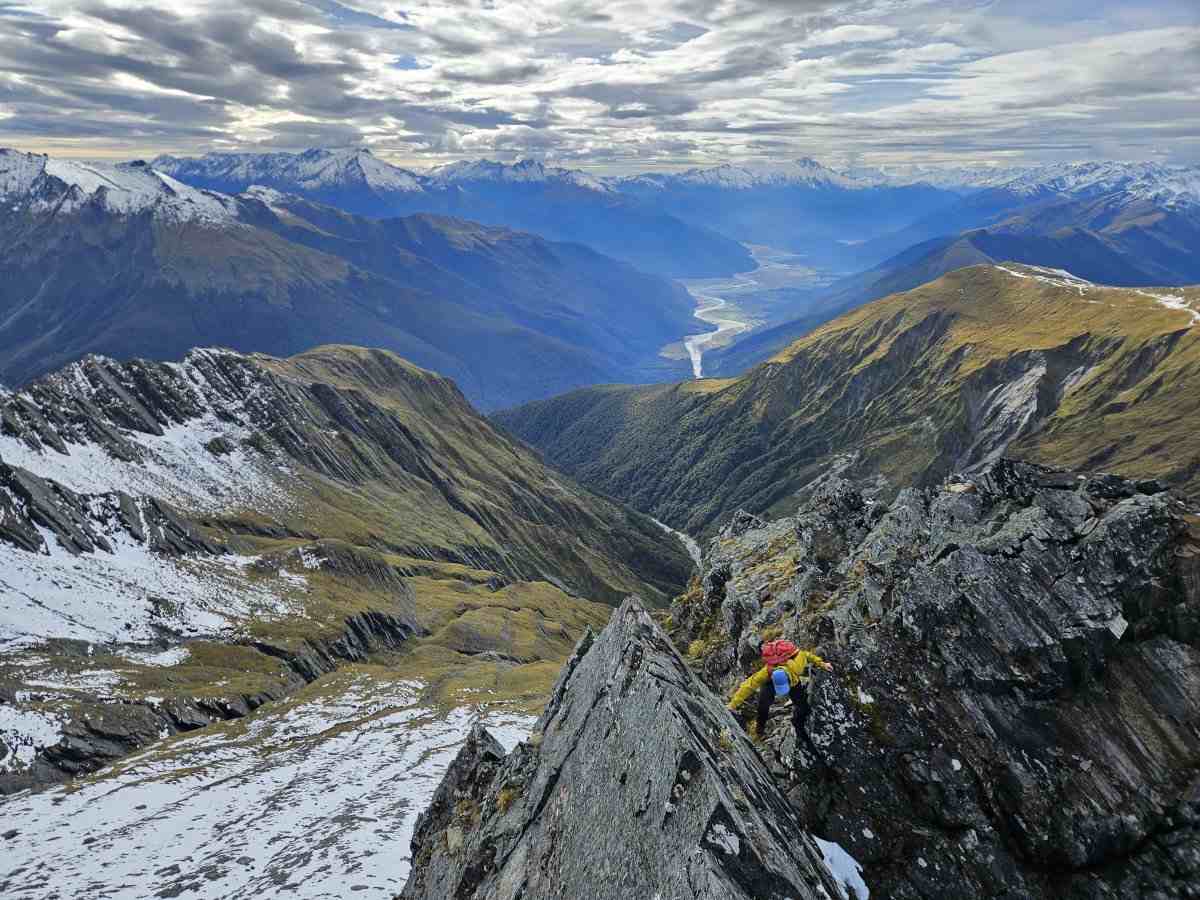
Allan Brent on Lindsay Peak at Mt Aspiring National Park. Photo: Edwin Sheppard.
Recreation is given a high priority in the Conservation Act. Fostering recreation is one of DOC's core statutory functions, yet recreation groups currently have limited opportunities to contribute during the early stages of conservation planning, when the essential form and aspirations of the planning documents take shape.
As the submission states:
"Providing the recreation community with a voice in the planning system is, in a practical sense, essential to enable DOC to sufficiently carry out its statutory function of fostering recreation."
ACAT's submissions recommend recognising national recreation organisations as key stakeholders and ensuring the climbing community has meaningful opportunities to provide input before important decisions are made.
For climbers, this means helping ensure that climbing areas, recreational values, and the knowledge and aspirations of local climbing communities are properly considered when conservation plans are developed. Better representation will help ensure conservation planning reflects the recreational values of places alongside their environmental and cultural significance.
You can read both submissions below: