Have your say on Public Conservation Land management
The government’s Conservation Amendment Bill could reshape how our Public Conservation Land is managed, with significant implications for climbers and the places we care about.
The government’s Conservation Amendment Bill could reshape how our Public Conservation Land is managed, with significant implications for climbers and the places we care about.
ACAT is working alongside FMC and NZAC to represent the climbing community, with public submissions on the Bill open until 2 July 2026. We want your input:
- Send us your feedback to help shape ACAT’s stance and submission.
- Make your own individual submission on the Bill.
Public conservation land (PCL) covers a third of New Zealand’s total land area and contains many of our best crags, particularly in the South Island. Some key opportunities and concerns we have about the Conservation Amendment Bill are highlighted below.
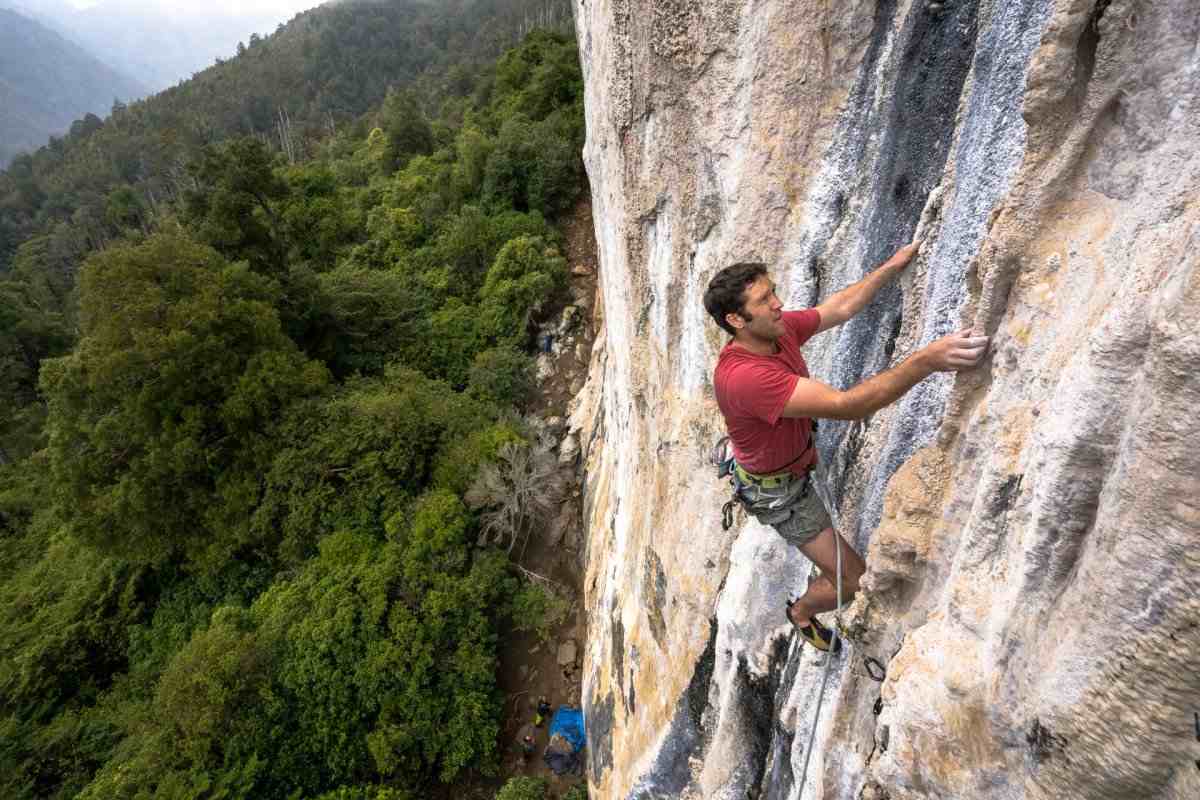
Goldstrike crag in Kahurangi National Park. Photo by Derek Cheng.
Potential positives
Our existing management systems are far from perfect, and the Bill includes some changes we are cautiously optimistic about:
- A simplified planning system with fewer overlapping layers of management documents.
- Streamlined concessions processes for low-impact commercial activities such as rock climbing guiding.
- The opportunity to update conservation management plans, many of which are decades out-of-date.
Key risks
Recreation may be deprioritised
The existing Conservation Act provides DOC with a hierarchy of priorities; Conservation, then Recreation, and then Tourism. The Bill appears to upend the hierarchy, prioritising economic opportunities and potentially creating tension between recreation and commercial activities.
Conservation outcomes weakened
The Bill states that DOC must enable economic development of public conservation land “to the greatest extent practicable under this Act”. This change to DOC’s role seems contrary to its core purpose of protecting natural environments, including those cherished by climbers.
Less community voice
The Bill centralises decision-making power over Conservation Plans under the Conservation Minister, stripping the independent Conservation Authority and community-led Conservation Boards of this role. This is likely to reduce democratic participation in conservation management and risks creating harmful policy swings between successive governments.
Privatisation of conservation land
The Bill will make it easier for DOC to sell or dispose of public conservation land, without requiring that public access be maintained. We are concerned that the system does not contain adequate safeguards for the collective heritage of New Zealanders.
Funding priorities shifting
Investment may favour tourism and other economic development over access infrastructure and conservation. This could exacerbate recent reductions in DOC’s core funding.
What can you do?
Let us know your thoughts on the Bill in your social media comments or by email to manager@acat.org.nz. We will also run some polls on specific aspects in the coming weeks.
Read more about the Bill and make your own submission by 2 July.
Note the new National Conservation Policy Statement (NCPS) is also out for consultation. It's mostly about concessions for commercial activities, but you can read about it and submit on it separately.