
Ten years of HSWA: How a workplace law changed climbing access
How did a law meant to keep people safe at work end up closing climbing crags?
How did a law meant to keep people safe at work end up closing climbing crags?
When Parliament passed the Health and Safety at Work Act in 2015 (HSWA), few would have expected it to affect where New Zealanders could climb. The law was designed to make workplaces safer, but its consequences would reach well beyond building sites and factory floors.
For decades, many landowners had welcomed climbers onto their land, often on little more than a handshake. Now they faced a question they couldn't confidently answer: if someone was injured while climbing, could they be held responsible?
For some, the risk wasn't worth taking. So, they closed their gates.
What followed was years of advocacy, shifting WorkSafe guidance and a significant High Court case as the outdoor recreation community worked to resolve the uncertainty. In 2025 and 2026, that work finally led to positive changes to the law.
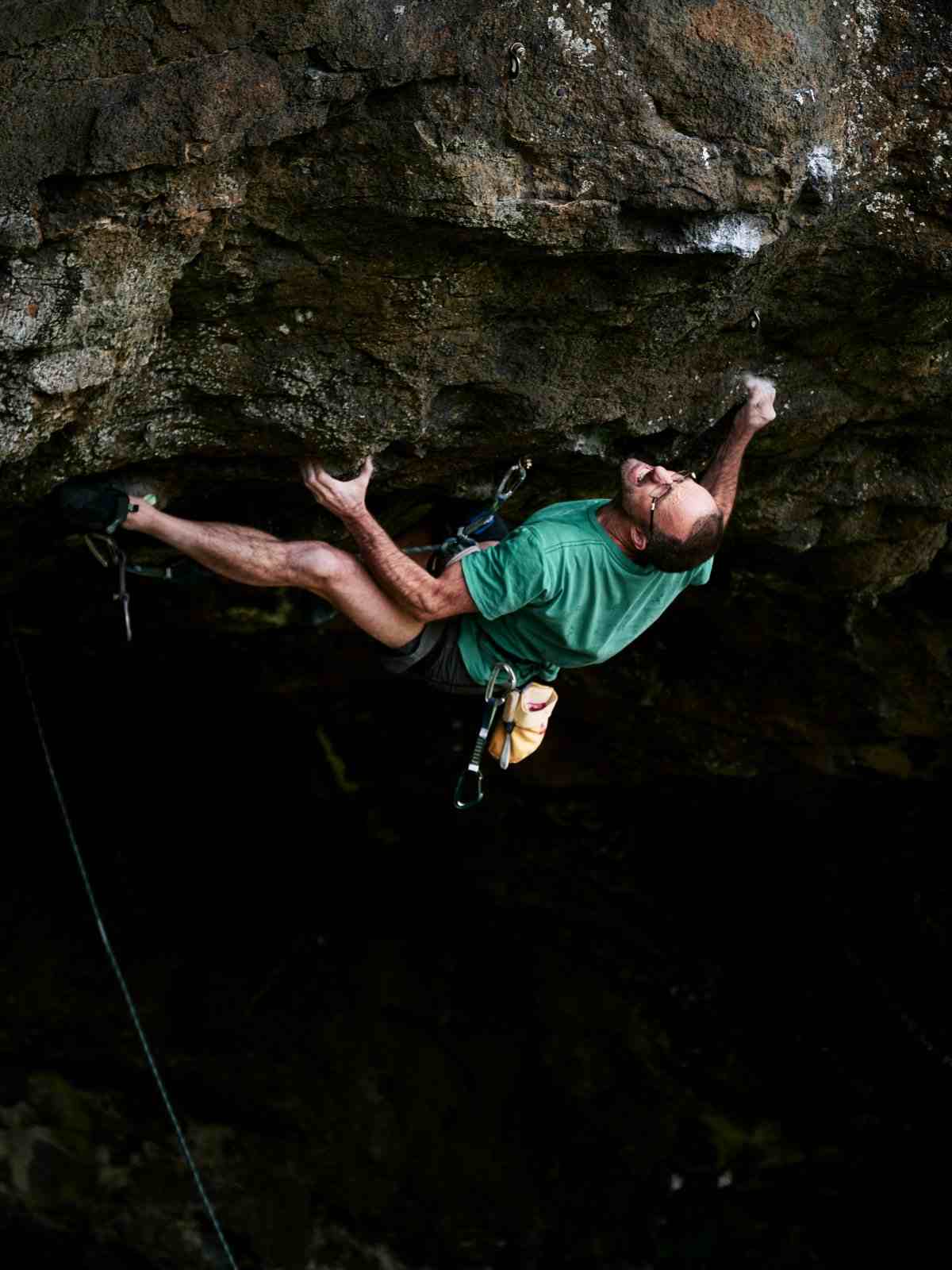
Derek Thatcher on the Nettlemania project, Nettlebed crag, Port Hills. Photo: Tom Hoyle
2016: A law intended for workplaces
The Health and Safety at Work Act (HSWA) came into force in April 2016. This created a grey area for landowners, who were unsure where their responsibilities ended and the risks of recreational activities began.
2017: The gates start closing
For climbers, the consequences soon became clear. Auckland Grammar School Quarry and Bayley Road are examples of two climbing areas that closed because of health and safety liability concerns.
The Quarry was a particularly significant loss, with its rich climbing history in the centre of our largest city. These closures showed how uncertainty around a workplace law could put decades of established climbing access at risk.
2018: The first push for clarity
Recognising the growing problem, the New Zealand Alpine Club (NZAC) and Recreation Aotearoa approached WorkSafe seeking clearer guidance for landowners allowing recreational access.
WorkSafe agreed to develop guidance, with input from the recreation sector, to help landowners better understand their responsibilities.
2019: Triumph and tragedy
WorkSafe published guidance indicating it did not intend to prosecute landowners simply for allowing recreational activities on their land. It was a welcome step towards providing greater certainty.
But in December 2019, the eruption of Whakaari/White Island during guided tours resulted in the deaths of 22 people and injuries to 25 others, devastating whānau and communities across Aotearoa. The tragedy would go on to have significant implications for how health and safety law was interpreted, bringing questions about landowner responsibilities back into the spotlight.
2020: Conflicting guidance raises new concerns
Following the eruption, WorkSafe brought prosecutions against several parties, including Whakaari Management Limited, the company responsible for permitting access to the island.
WorkSafe also issued guidance suggesting that landowners allowing commercial recreational activities might have responsibilities to warn visitors about certain hazards.
For the outdoor recreation sector, this appeared to contradict the reassurance provided just a year earlier. Questions about where a landowner’s responsibilities began and ended resurfaced.
2021: ACAT takes action
ACAT was established in 2021 to give climbers a stronger, coordinated voice on access issues. With uncertainty around landowner liability already closing climbing areas, there was plenty of work to do.
One of ACAT's first challenges came when WorkSafe proposed further guidance on recreational access that could impose significant health and safety responsibilities on landowners, even when access was free of charge. ACAT made a detailed submission opposing these proposed duties, which were ultimately removed from the guidance.
These concerns were also playing out at individual crags. Questions over Auckland Council's health and safety responsibilities had put climbing access at risk at Maungarei Springs and Ti Point.
ACAT successfully worked with the Council to resolve these concerns, drawing on legal expertise to clarify its responsibilities and make the case for continued climbing access. ACAT's General Manager Edwin Sheppard was closely involved in this work alongside trustee Andy Baird, whose relentless work building and maintaining relationships with the Council was particularly valuable. Together, these efforts helped resolve the concerns and prevent both crags from closing.
2022: The uncertainty continues
Although WorkSafe dropped the proposed duties, uncertainty among landowners persisted. ACAT continued working directly with landowners to explain their responsibilities, address concerns about liability and reassure them that allowing ordinary recreational climbing generally carried very little legal risk.
But without greater legal certainty, there was only so much ACAT could do to ease those concerns. For example, ongoing discussions with Auckland Grammar School remained stuck on the small possibility of landowner liability.
2023: The Whakaari conviction raises the stakes
In 2023, the District Court convicted Whakaari Management Limited (WML) of breaching its health and safety duties.
Although the circumstances of guided tours on an active volcano were very different from recreational climbing, the decision raised concerns among landowners.
If a landowner could be held responsible for hazards associated with a recreational activity, what could that mean for farmers, councils and other landowners allowing people to climb, tramp or hunt on their land?
Auckland Grammar School told ACAT that it considered WML’s conviction increased its risk of liability, and it was no longer prepared to consider climbing access.
WML appealed its conviction to the High Court.
2024: Taking the case for change to court and government
With fears around landowner liability growing, ACAT successfully applied to intervene in the Whakaari High Court appeal, arguing that simply allowing recreational access should not make landowners responsible for managing the risks of those activities.
The intervention was made possible through significant pro bono legal assistance from John Dixon KC, Charles Cox, Bell Gully, and John Palmer.
ACAT also started a government advocacy campaign, partnering with Federated Mountain Clubs (FMC), NZAC and other organisations to form a coalition of 12 leading outdoor recreation groups. Together, we advocated for a clearer distinction between workplace health and safety responsibilities and the ordinary risks of outdoor recreation.
In November 2024, the coalition made a joint submission to the government’s review of the health and safety regulatory system, calling for legislative reform.
2025: A turning point
In February 2025, the High Court overturned WML’s conviction. The decision clarified an important distinction between a landowner’s workplace responsibilities and the risks associated with recreational activities taking place on their land.
It was a significant outcome for the outdoor recreation community, but the decision alone couldn't resolve all the uncertainty surrounding landowner liability.
ACAT and FMC continued working with Health and Safety Minister Brooke van Velden and government officials, advocating for a specific recreational access exception in HSWA. In April, the government announced its intention to reform the legislation.
Meanwhile, WorkSafe's new guidance on managing natural hazards during adventure and outdoor recreation activities raised concerns about the responsibilities of recreation clubs, including those running volunteer-led activities. This highlighted that there were still issues for the sector to address.
2026: The law changes
After years of advocacy, the government introduced the Health and Safety at Work Amendment Bill, including a specific exception for recreational access.
Representing the wider recreation coalition, ACAT and FMC made a joint submission and presented to the Select Committee, recommending changes to strengthen the wording of the exception. Our recommendations were adopted.
The Bill passed its third reading on 30 June and received Royal Assent on 9 July 2026.
The changes will come into force on 1 April 2027.
What does this mean for climbing access?
Under the new law, landowners and land managers will generally no longer have workplace health and safety responsibilities for people using their land for recreation, including those crossing it to reach other areas. Landowners will only be responsible for risks associated with their own work.
The change doesn't remove every legal responsibility a landowner might have, and it doesn't automatically reopen closed crags. But it removes a major source of uncertainty that has closed crags for the past decade.
Work is work. Recreation is recreation.
The work continues
Passing the legislation is a major milestone, but there's still work to do. ACAT is engaging directly with key landowners, aiming to reopen crags like the AGS Quarry.
ACAT and FMC are engaging with political parties to ensure the recreation exception has cross-party support. We will also be working with government officials on guidance to help landowners, climbers and recreation clubs understand how the new provisions will apply in practice.
While the law change removes an important barrier, securing climbing access still relies on strong relationships with landowners and mana whenua, responsible behaviour from climbers, and ongoing support for local communities.
The past ten years have shown how easily access can be lost, but also what can be achieved when the recreation community works together.
As we head into Access Action Week, it's a reminder that protecting climbing access takes more than a change in the law. It takes people working together to make sure the crags we enjoy today remain accessible for generations to come.
If you value our ongoing work, please support ACAT with a monthly or annual donation!